
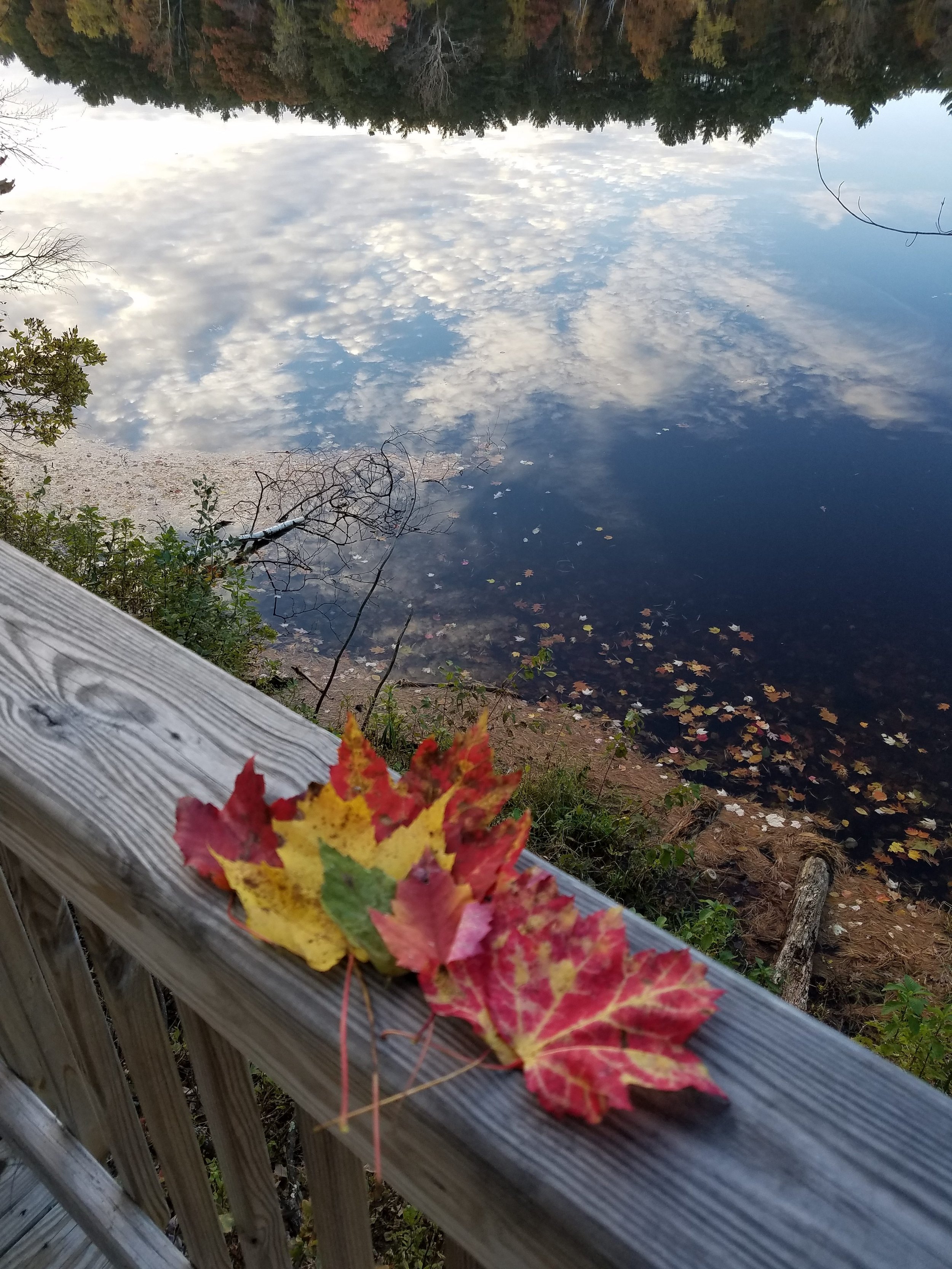
11-22-18
Maple trees and sowing seeds
“Gratitude can transform common days into thanksgivings, turn routine jobs into joy, and change ordinary opportunities into blessings.”
–William Arthur Ward
This Thanksgiving, I am grateful for change, for the possibility of change, and for how change shapes lives and propels hope forward. Change helps us learn, grown, evolve. If it were not for the challenges of change, we would remain complacent and stagnant. Change is often unsettling, mostly when we have little warning, or simply if we fail to see the signs that call us to be vigilant to the present moment.
Nothing shows us about change better than New England weather, as we live in a place where Halloween snowstorms happen and we can experience four seasons in a day. Autumn shows change most dramatically, as evidenced by the crowds of “leaf-peepers” who visit New Hampshire from all over the world, not just to see colors, but to see them change.
Every day, each hour of the day for nearly a month, hillsides move and shift in wind, sunshine, cold, rain, sleet, snow – kaleidoscope colors popping against winter evergreen. Time and space keep the palette moving across winding back roads as switchback views of mountains, valleys and lakes cause changing views to crop up at every turn. Add in crazy temperature changes in the span of a few hours along with shorter days, and the mix is even more unpredictable.
Colors do not so much “change” as reveal what is hidden. Once shorter days diminish sunlight and trigger a tree to stop producing chlorophyll, three pigments already in the leaves appear–xanthophyll, reflecting yellow light; carotene, reflecting orange, red and yellow light; and anthocyanin, reflecting red to purple, the unique tone of sugar maples turning scarlet and plum.
The drama is heightened because time takes it all away, in a flash, and we find ourselves in the sudden nakedness of November. Autumn represents a shout before winter barrenness and the stark silence of hibernation. It is timeless because it marks time and change so clearly.
Another thing that marks time so completely and irrevocably–but is not nearly so seasonal but rather timeless–is the birth of a child. From the moment of birth, parents step on to a one-way roller coaster. Every day that child is changing, forever pulling parents along a fast track with no turning back. Eager parents follow so completely at first, and then one day, parents suddenly see that the train is perpetually pulling out of station at an ever-increasing speed and they realize they will spend the rest of their lives trying to catch up. A harsh but fundamental rule of childhood is that the child does wait for you to catch up. As much as any parent might want more than anything to slow time down, to savor the baby stage, toddler time, or the first day of first grade, time, like the colors we chase each autumn, marches on with a keen, detached ruthlessness.
Plus, as intensely as we love our children, they are, by nature, always experimenting with pushing us away, as their means of this incessant habit of growing up. I had reason recently to read my husband’s account of a moment when I was participating in a fashion show with my 2-year-old daughter. I held my daughter’s hand throughout rehearsal. Then, just as the curtain went up, something told her this was the moment that counted. She turned and said, “I can do it myself.” So begins the wrenching process of un-doing that primal connection, of learning to let the child go, to allow the child a certain amount of freedom, so that child can become.
Then there is the “blink” of childhood, the fact that babies turn into toddlers overnight, that first graders become awkward 12-year-olds before a parent has time to breathe, much less comprehend. And the inherent poetry of childhood. Like the wild but disappearing colors I chase on a sunny October day, children speak poetry every day, if we are listening. A child’s innate curiosity and wonder propels [illegible]
Children are always pushing the envelope, always thinking about many things at once, and consequently putting things that don’t “go together” together. This juxtaposition of opposites–speaking of one thing in relation to another–is a casual definition of poetry itself. I will never forget another such moment when my 5-year-old son said something to me that made “magic” for me, words I hold dearly and hope to write about one day. These sudden moments are gifts without strings that happen in the blink of an eye and disappear if not acknowledged.
In fact, most of the time, we adults miss seeing that a child’s curiosity is attached to a wisdom we adults possess, but mostly forget we know. In Walking On Water, Madeleine L’Engle wrote: “When I am grappling with ideas which are radical enough to upset grown-ups, then I am likely to put these ideas into a story which will be marketed for children, because children understand what their parents have rejected and forgotten.”
This special “knowledge” of children teaches us about openness. L’Engle: “A child is not afraid of new ideas, does not have to worry about the status quo or rocking the boat, is willing to sail into uncharted waters. Those tired old editors who had a hard time understanding A Wrinkle in Time assumed that children couldn’t understand it either…That is the typical underestimation of the adult as to the capacity of the children to understand philosophical, scientific and theological concepts.”
In the wink of an eye, another topsy-turvy moment of change happens and some of us get to dip back into a child’s [illegible] scarlet maples appeared at every bend in the road. I realized later that the poem I wrote that day is a thanksgiving prayer:
Maple’s Song
Born on a sunny, sugar maple day
when scarlet maples beckon you to stay
and October sun makes green disappear,
Maple sings her song like a balladeer.
Conceived up north where red maples blow
before Canada’s hills fill up with snow,
Maple thrives in the cold, sleet, snow, rain,
dappling red from Minnesota to Maine.
She keeps a rainbow hidden deep inside
then hurls surprise across the mountainside.
On hillside palettes where colors have bled,
only green maples merge purple and red.
Each day, Maple’s song brings forth something new
so hillsides form a psychedelic view.
A quick frost, damp fog, wet spring–anything–
can change the way Maple’s colors will sing.
She weaves time and space to make colors dance–
her wildest shades happen when change meets chance.
Orange turns cherry and lime fuses rose–
Maple flashes joy wherever she goes!
Kaleidoscope colors run wild and free
in Maple’s crazy autumn tapestry.
Maple’s palette holds every last hue–
resilient, spontaneous, bold and true.
Quincy Whitney is a career journalist, biographer and poet. You can reach her through the Contact page on this site.